PLaCE is continually asking, “How can we serve the Wild in the process of meeting human needs?”—not in spite of human needs.
We grow and sell native plants that have a history of human use as food, herbs, and/or crafting materials. Each plant is an invitation for human connection and carries co-evolved relationships with native insects and the entire food web they support.
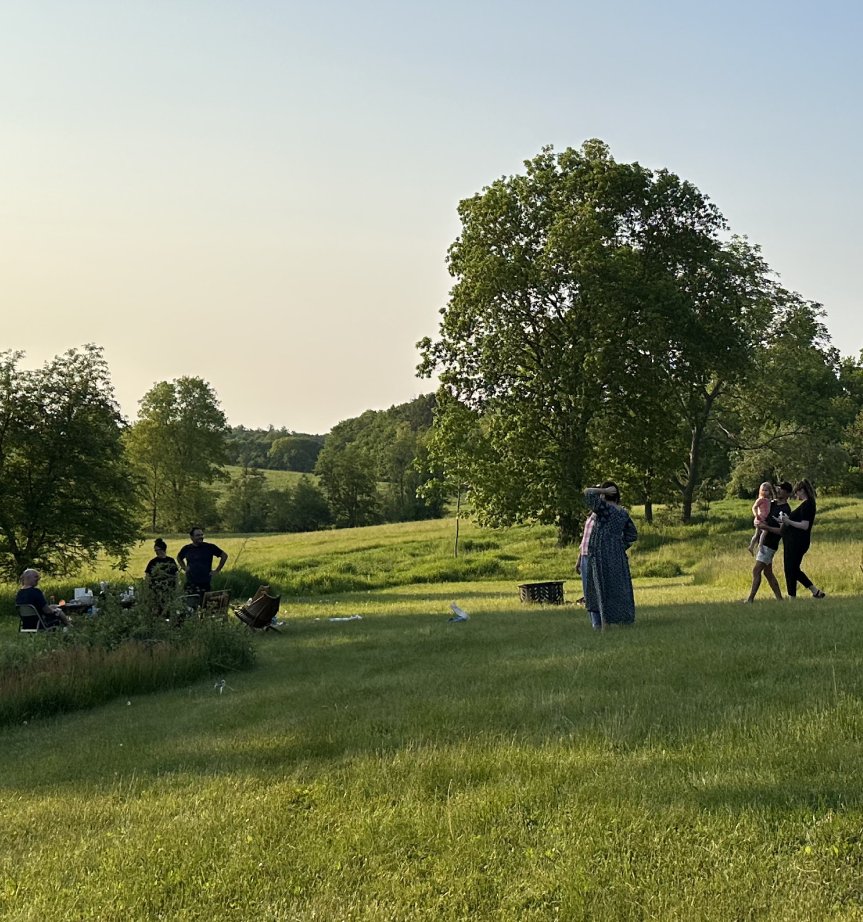
We host workshops, community events, and family-friendly art residencies that build relationships among neighbors and with the Wild on which we all depend.
We create permanently affordable housing — for volunteer firefighters, Taconic Hills School staff, veterans, farmers, and farmworkers — integrated with our working farm.
We work directly with the federally recognized, sovereign Stockbridge-Munsee Community (aka "Mohican Nation") in Wisconsin, to build meaningful relationships and partnerships with the Tribe and its members. In dialog with the Tribal government, we actively seek ways to serve Tribal interests and those of its members — re-establishing relationships between the land and its original people.
Relationships between people build community and resilience. We build these relationships through:
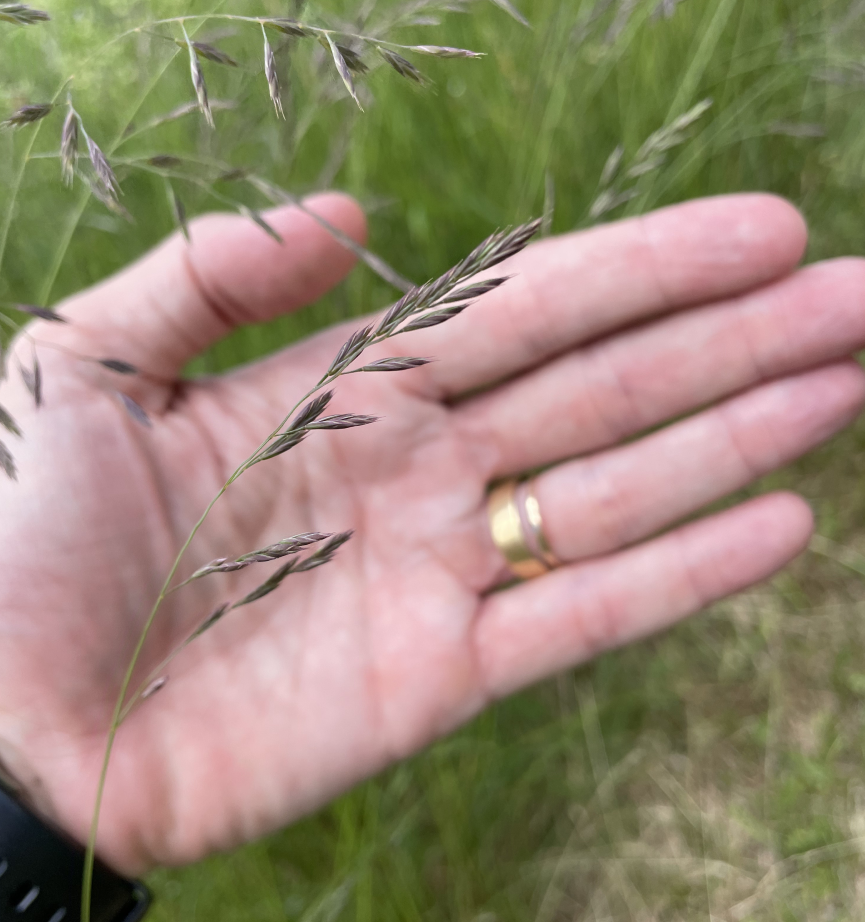
PLaCE cultivates connection to the wild ecosystems we all depend on by:
We facilitate the Wild’s re-establishment of its own life-sustaining relationships:
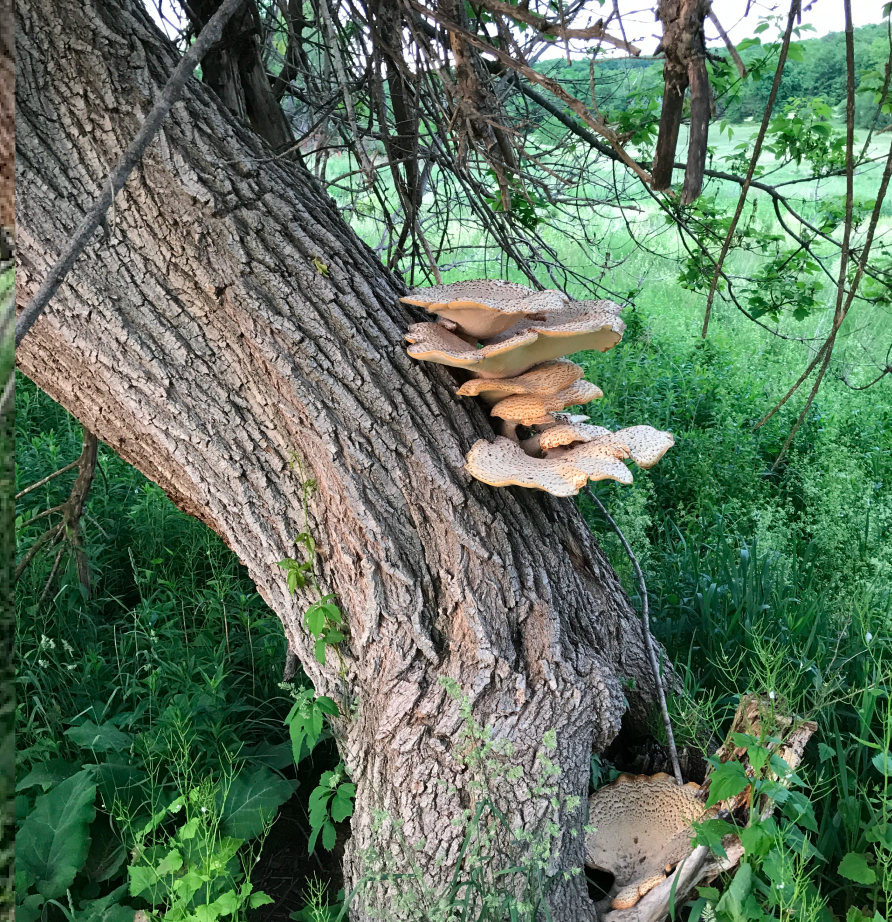
PLaCE is working with 150 rolling acres in Copake, NY. Formerly part of a larger dairy farm, it‘s a beautiful mix of diverse habitats in the headwaters of the Taghkanic Creek — the primary drinking water for the city of Hudson.
Currently the land is being farmed conventionally for feed corn, silage, and hay. PLaCE will be transitioning the land to regenerative practices in phases as our capacity grows.
Follow along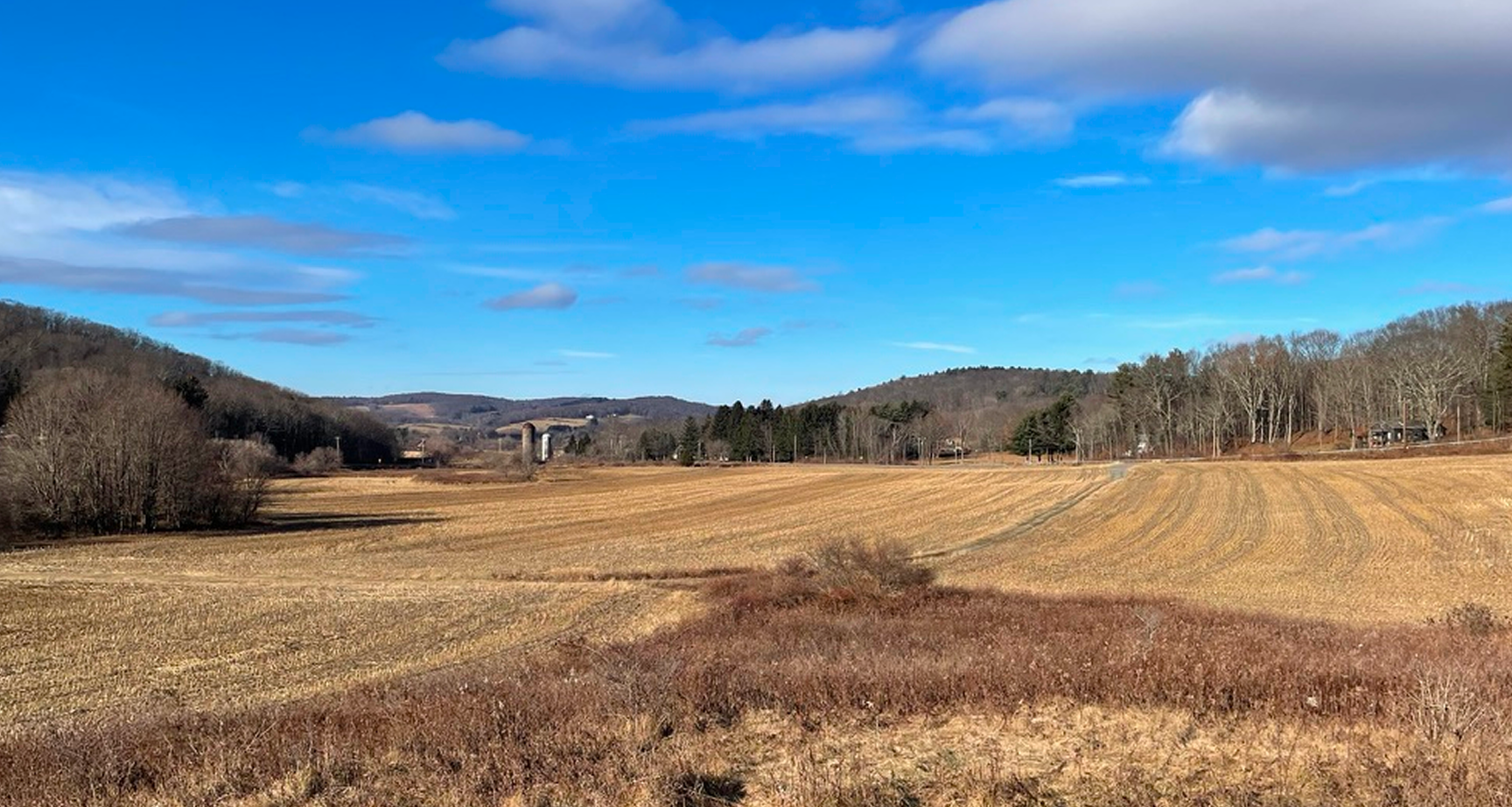
Coming Soon
Picnics, Planting, harvesting, crafting, walks, and more
Sign up to get updates.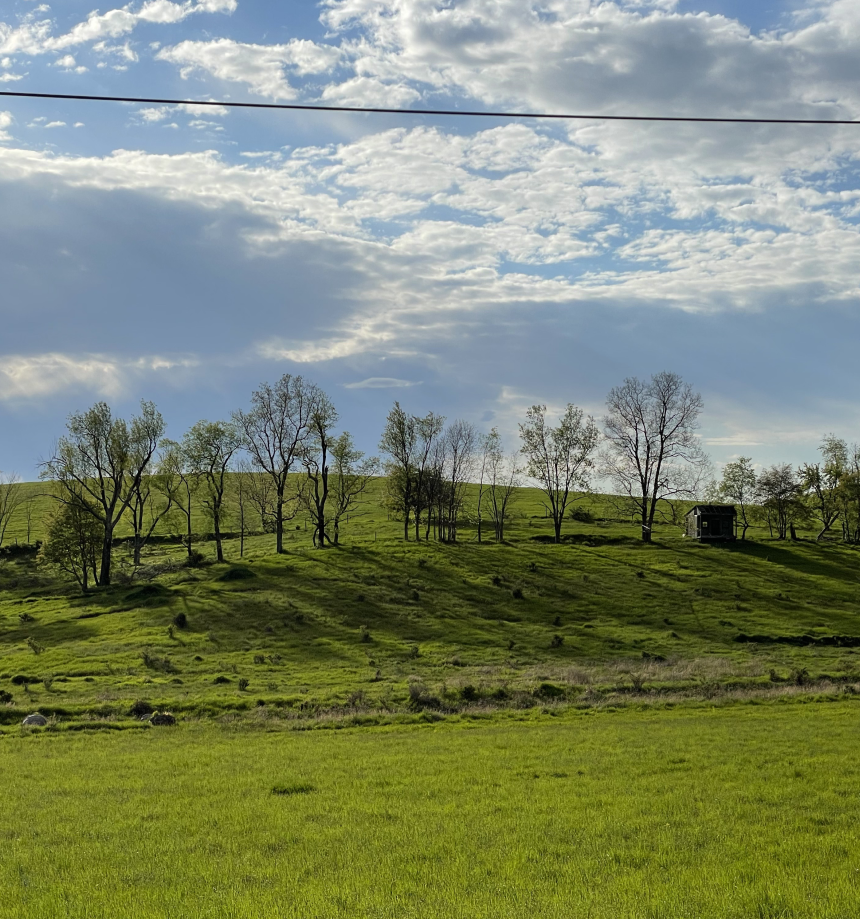
“Ultimately what we inherit are relationships and our beliefs about them. We can’t alter the actions of our ancestors, but we can decide what to do with the social relations they left us.”
Land acknowledgment full text and additional resources— Aurora Levins Morales